Physical Address
304 North Cardinal St.
Dorchester Center, MA 02124
Physical Address
304 North Cardinal St.
Dorchester Center, MA 02124

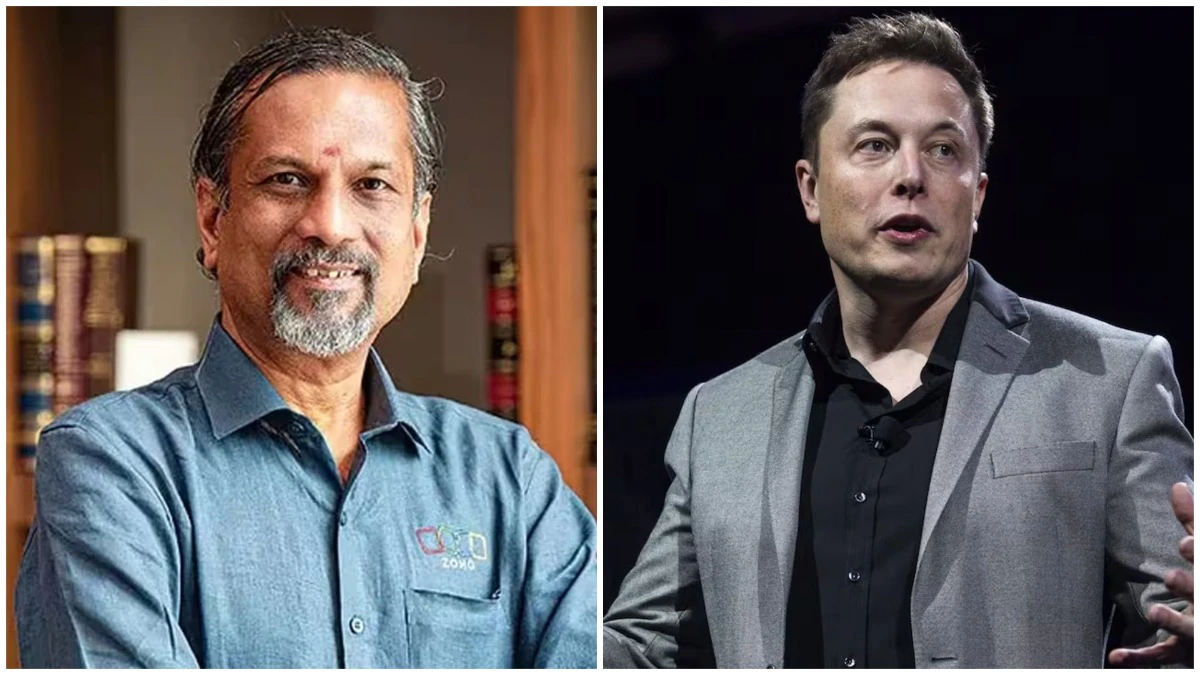
Weighing in on the growing debate about artificial intelligence and jobs, Sridhar Vembu challenged Elon Musk’s proposal of a “Universal High Income” as a response to AI-driven unemployment, calling the idea “dystopian” in its assumptions about the future of work.
In his post, Musk wrote, “Universal HIGH INCOME through checks issued by the Federal government is the best way to deal with unemployment due to AI.
Responding to this, Vembu argued that such a policy assumes a world where AI replaces almost all paid human work, forcing governments to provide revenue so that people can continue to consume goods produced by automated systems.
According to Vembu, Musk’s vision rests on two key assumptions: first, that AI will cause an incredible proliferation of goods and services with minimal human labor; and second, that this abundance does not lead to lower prices. He vehemently denied the latter, saying that prices would inevitably fall in a competitive market unless governments allowed monopolies to keep them artificially high.
“The mere enforcement of existing anti-monopoly laws is enough to bring down prices,” said Vembu, adding that even mechanisms such as copyright – what he described as monopolies granted by the government – could be reconsidered if necessary.
Economics aside, Vembu also offers a counter to fears that AI will render human effort obsolete. He suggests that even in a highly automated world, meaningful human roles will remain — especially in areas where emotional, cultural, and ethical values matter.
He points to professions such as farming, teaching, nursing, and religious service as examples of work society that can continue to be valued, not only economically but socially. “We don’t care about robots taking care of our children or the sick or being our priests,” he said, emphasizing the enduring importance of human-centered roles.